


Tiempo de lectura: 32 minutos
Esta semana tenemos el privilegio de presentaros a una verdadera celebridad en el mundo de la historiografía napoleónica, J. David Markham. Con una carrera que abarca décadas, no solo ha profundizado en los intrincados matices de la era napoleónica, sino que también se ha ganado el reconocimiento y elogios de numerosos países por sus valiosas contribuciones en la materia.
Un erudito condecorado en todos los sentidos de la palabra, J. David Markham ha sido honrado con prestigiosos premios y medallas de varias naciones, un testimonio de su dedicación y experiencia en desentrañar la cautivadora historia de Napoleón Bonaparte.
Más allá de su impresionante palmarés, ha dejado una huella en el mundo de la literatura a través de sus estimulantes libros sobre Napoleón. Sus obras ofrecen una visión profunda de la vida, las campañas y el legado del corso «advenedizo» general convertido en emperador, Napoleón Bonaparte.
This week we have the privilege to introduce you to a true personalidad in the world of Napoleonic history, J. David Markham. With a career spanning decades, has not only delved deep into the intricate nuances of the Napoleonic era but has also earned recognition and accolades from numerous countries for their invaluable contributions to the field.
A decorated scholar in every sense of the word, J. David Markham has been honored with prestigious awards and medals from various nations, a testament to their dedication and expertise in unravelling the captivating story of Napoleon Bonaparte.
Beyond their impressive list of honors, has left a mark on the world of literature through their thought-provoking books on Napoleon. Their works offer profound insights into the life, campaigns, and legacy of the «parvenu» Corsican general turned Emperor, Napoleon Bonaparte.
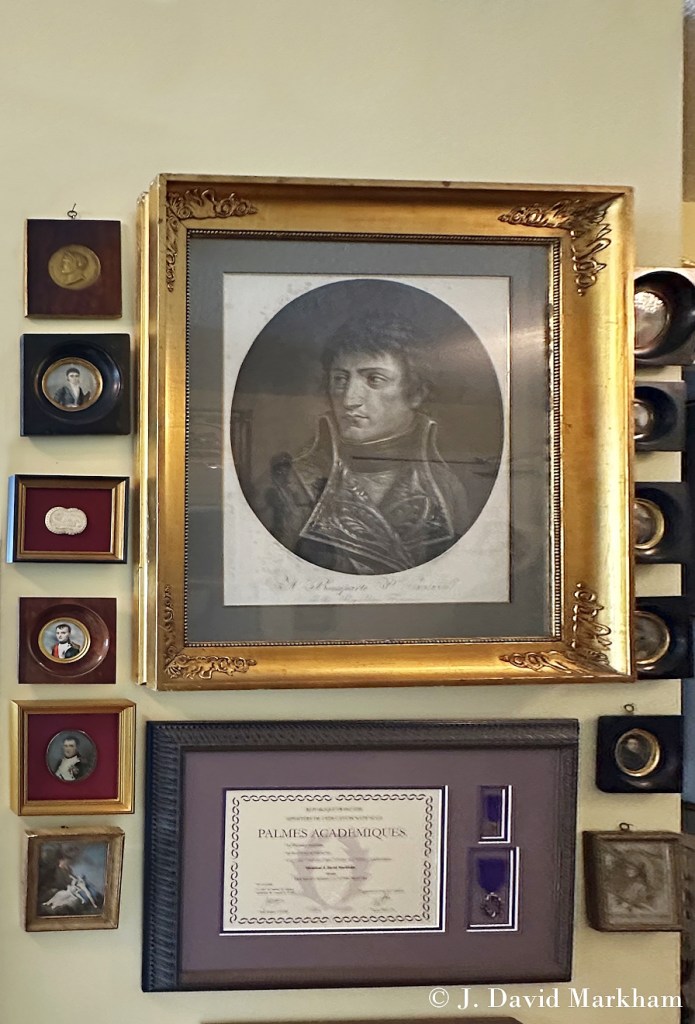
La carrera de nuestro entrevistado, entre la disciplina histórica y los objetos artísticos de la época.
The career of our interviewee, between the historical discipline and the artistic objects of the epoch.

ENTREVISTA / INTERVIEW
– Usted se encuentra entre los historiadores napoleónicos actuales de renombre, asimismo condecorado por varios paises, por lo que, ¿puede contarnos cómo se interesó por primera vez en la figura de Napoleón y cómo se desarrolló ese progreso hasta donde se encuentra actualmente?
«Bueno, ¡gracias por el cumplido! Cuando era muy joven mi padre me contaba historias sobre algunos de los grandes hombres de la historia: Alejandro Magno, Julio César y, por supuesto, Napoleón. Había estado en París y tenía algunas postales francesas para mostrarme. ¡No, ese tipo de postales francesas, no! Estas mostraban escenas de París e incluían, naturalmente, el Arco de Triunfo y Los Inválidos. Con el tiempo llegué a saber más sobre él y descubrí que es una persona increíblemente interesante. Es como dijo una vez, ‘qué novela ha sido mi vida’. Con el paso de los años me lo encontré en museos y leí un par de biografías clásicas sobre él, pero el interés fue algo pasajero.
Luego, a principios de los años 1980, en un viaje a Francia, descubrí que era posible coleccionar objetos napoleónicos que eran pequeños y relativamente económicos. Si bien mi primer artículo fue una espada fechada en 1815, comencé a especializarme en tabaqueras y otros objetos pequeños. Siempre había sido un coleccionista y tenía una importante colección de artículos de campañas políticas estadounidenses. Durante los siguientes años, mi colección creció y agregué grabados a la colección, ¡que comenzaron a llenar mis paredes! A finales de la década, mi colección había crecido hasta el punto de que apareció en una exposición en el Museo de Arte de Phoenix, “Napoleón el Grande: Selecciones de la Colección David Markham”.
Más tarde esa década tomé un curso de posgrado sobre la Revolución Francesa y Napoleón en la Universidad Estatal de Arizona, donde finalmente obtuve mi segunda maestría. El profesor me sugirió que enviara mi trabajo final a una revista para su publicación. Lo envié a Military History Illustrated… ¡y decidieron publicarlo! Luego, el editor se puso en contacto conmigo para plantearme la posibilidad de escribir un capítulo para un próximo libro, ‘Napoleón: el veredicto final’, y terminé escribiendo dos capítulos, el primero y el último. Ese editor me preguntó si me gustaría hacer una biografía de Napoleón. Por supuesto que dije que sí, y algún tiempo después produje ‘El camino de Napoleón a la gloria: triunfos, derrotas e inmortalidad’. He estado involucrado en casi 20 libros y pronto tendré uno en español sobre Napoleón después de Waterloo.
¡Y el resto, como dicen, es historia!
– You are among today’s renowned Napoleonic historians, also internationally decorated so, can you tell us how you first became interested in Napoleon and how that progress developed to where you are now?
«Well, thank you for the compliment! When I was very young my father would tell me stories about some of the great men in history: Alexander the Great, Julius Caesar and, of course, Napoleon. He had been to Paris and had some French postcards to show me. No, not that kind of French postcards! These showed scenes of Paris and included, naturally, the Arc de Triomphe and Les Invalides. In time I came to know more about him and found him to be an amazingly interesting person. It’s like he once said, ‘what a novel my life has been.’ Over the years I would come across him in museums and I read a couple of classic biographies about him, but the interest was somewhat in passing.
Then in the early 1980’s on a trip to France I discovered that it was possible to collect Napoleonic artifacts that were small and relatively inexpensive. While my first item was a sword dated 1815, I began to specialize in snuffboxes and other small objects. I had always been a collector, with a major collection of American political campaign items. Over the next number of years my collection grew, and I added engravings to the collection, which began to fill up my walls! By the end of the decade my collection had grown to the point that it was featured in an exhibition at the Phoenix Art Museum, “Napoleon the Great: Selections from the David Markham Collection.”
Later that decade I took a graduate course on the French Revolution and Napoleon at Arizona State University, where I eventually received my second master’s degree. The professor suggested that I submit my final paper to a magazine for publication. I submitted it to Military History Illustrated and they decided to publish it! Then the editor contacted me about possibly writing a chapter for an upcoming book, Napoleon: The Final Verdict, and I ended up writing two chapters, the first and the last. That publisher asked if I would like to do a biography of Napoleon. Of course I said yes, and sometime later I produced Napoleon’s Road to Glory: Triumphs, Defeats and Immortality. I have been involved with almost 20 books and will soon have one in Spanish dealing with Napoleon after Waterloo.
And the rest, as they say, is history!«
– La figura de Napoleón ha sido ampliamente debatida y estudiada desde su muerte. Algunas personas lo odian mientras que otras lo aman, pero es una de las figuras más reconocidas de la historia. Se han escrito innumerables libros (a la par que los escritos sobre Jesucristo), se han producido muchos artículos, documentales de televisión, novelas y películas. A veces es difícil determinar qué es verdad y qué es mito con respecto a su vida. ¿Qué representa la figura de Napoleón para David Markham?
«La figura de Napoleón me parece fascinante y muy compleja. Dicho esto, tengo una opinión general positiva de Napoleón. En muchos sentidos, fue un puente entre el viejo orden y el mundo moderno, incluido el desarrollo de la moneda común y la Unión Europea. Fue, en gran medida, hijo y, de hecho, producto de la Revolución Francesa y, de hecho, creía y promovía muchos de sus mejores ideales. Pero la Revolución finalmente se volvió corrupta e ineficaz para gobernar Francia, por lo que, además de promover la reforma, Napoleón también trajo orden y estabilidad a Francia. Y si bien fue culpable de cierto grado de censura y permitió a Fouché demasiado poder con su policía secreta, también trajo muchas reformas a Francia y gran parte de Europa. Promovió la igualdad religiosa, liberó a los judíos donde quiera que fuera y redujo el poder de la Iglesia católica. Sus reformas económicas, bancarias, legales y educativas fueron muy importantes y en gran medida aún existen hoy. A menudo se le considera un belicista, pero una investigación cuidadosa y honesta mostrará que casi todas las llamadas «guerras napoleónicas» fueron en realidad guerras de coaliciones del Antiguo Régimen contra Francia, que comenzaron durante la Revolución Francesa.«
– The figure of Napoleon has been debated and studied extensively since his death. Some people hate him while others love him, but he is one of the most recognized figures in history. Countless books (along with the writings about Jesus Christ) have been written, many articles, TV documentaries, novels and movies have been produced. Sometimes it is difficult to determine what is truth and what is myth regarding his life. What does the figure of Napoleon represent for David Markham?
«I find the figure of Napoleon to be fascinating and very complex. That said, I do have an overall positive opinion of Napoleon. He was in many ways a bridge from the old order to the modern world, including the development of common currency and the European Union. He was to a significant extent, a son of, and indeed, a product of the French Revolution and actually believed in and promoted many of its best ideals. But the Revolution eventually became corrupt and ineffective at ruling France, so in addition to promoting reform Napoleon also brought order and stability to France. And while he was guilty of some degree of censorship and allowed Fouché too much power with his secret police, he also brought many reforms to France and much of Europe. He promoted religious equality, freeing the Jews wherever he went and reduced the power of the Catholic Church. His economic, banking, legal and educational reforms were very important and to a great extent even exist today. He is often seen as a warmonger, but careful and honest research will show that almost all of the so-called ‘Napoleonic Wars’ were actually wars of old regime coalitions against France, beginning during the French Revolution.«

A bust of Napoleon with the imperial eagle among Egyptian motifs
– Varias campañas y batallas napoleónicas, como las dos campañas italianas o la batalla de Austerlitz en 1805, dieron una dimensión extra a la figura de Napoleón como comandante militar. Por el contrario, las invasiones de Portugal y España, por un lado, y especialmente su fallida campaña rusa fueron factores clave en su caída final. En el caso de Rusia, se podría argumentar que los rusos se estaban preparando para invadir Polonia ya en 1811 y que la guerra era inevitable. Este argumento es más dudoso en el caso de España, una potencia en decadencia con importantes problemas sociales y económicos. ¿Cree que Napoleón, como gobernante político, careció en ocasiones del “coup d’oeil” mostrado como comandante en jefe en el campo de batalla? En el caso de España, ¿no habría resultado mejor para los intereses de su gobierno mantener un títere como Fernando VII, en lugar de poner en el trono a su hermano José, figura que los españoles nunca aceptaron?
«Muchos historiadores han dicho que la campaña rusa de 1812 fue el mayor error militar y político de Napoleón. Pero he sostenido que, en última instancia, Napoleón no tenía otra opción realista en este asunto. Rusia estaba ultimando sus diversos asuntos militares y políticos para concentrarse en Napoleón. El zar de Rusia había dejado claro que no aceptaría el Bloqueo Continental (en gran parte debido a la fuerte presión de sus nobles y la clase empresarial), y tampoco iba a aceptar un Ducado de Varsovia independiente y pro-Napoleón. Por lo tanto, la única pregunta real era: ¿Dónde se libraría principalmente la guerra? Napoleón era un hombre de acción supremo y no quería esperar a que Rusia invadiera. Prefirió ponerlos a la defensiva y supuso, equivocadamente, que si capturaba Moscú, el zar Alejandro pediría la paz. Y aunque los historiadores suelen calificar la campaña como un desastre, con un poco de suerte y algunas mejores decisiones, podría haber resultado muy diferente. Por ejemplo, si simplemente hubiera declarado la victoria y hubiera abandonado Moscú poco después de ocuparla, o si hubiera hecho un mejor reconocimiento cuando se iba y hubiera tomado así una ruta hacia el sur, hacia Francia, las cosas habrían funcionado de manera muy diferente.
España, en cambio, es la campaña que considero su mayor error. Cuando estuvo allí personalmente, logró importantes éxitos militares. Pero cuando él no estaba allí, sus mariscales se peleaban y ninguno de ellos aceptó realmente el liderazgo de José. De este modo, Wellington pudo aprovechar toda la ventaja militar y lograr el éxito definitivo.
La cuestión política en España es bastante interesante. Muchos de los nobles y otras élites, junto con las clases educadas y empresariales, en realidad dieron la bienvenida o al menos aceptaron a José. En general, no eran extremadamente conservadores ni religiosos, les gustaban algunas de las reformas francesas y no les gustaba la Inquisición. Y traer reyes de otro país no era raro en Europa.
Los campesinos, por otra parte, eran bastante conservadores, muy religiosos y resentidos por la ocupación y las reformas francesas. Eran la columna vertebral de la resistencia irregular a las fuerzas francesas y su resistencia era a menudo bastante brutal. Creo firmemente que si, como tu sugieres, Napoleón hubiera dejado en el trono a un dócil Fernando VII, el «Atolladero Español» tal vez nunca habría ocurrido.»
– Several Napoleonic campaigns and battles, such as the two Italian campaigns or the battle of Austerlitz in 1805, gave an extra dimension to the figure of Napoleon as military commander. By contrast, the invasions of Portugal and Spain, on the one hand, and especially his failed Russian campaign were key factors in his ultimate fall. In the case of Russia, it could be argued that the Russians were preparing to invade Poland as early as 1811, and that war was inevitable. That argument is more doubtful in the case of Spain, a declining power with major social and economic problems. Do you think as political ruler Napoleon lacked at times the “coup d’oeil” showed as commander-in-chief in the battlefield? In the case of Spain, would there be no better result in their interests than to keep a puppet government with Ferdinand VII, rather than to put on the throne his brother Joseph, a figure that Spaniards never accepted?
«Many historians have said that the 1812 Russian campaign was Napoleon’s biggest military and political mistake. But I have argued that ultimately Napoleon had no realistic choice in the matter. Russia was wrapping up its assorted military and political affairs in order to concentrate on Napoleon. The Tsar of Russia had made it clear that he would not accept the Continental Blockade (largely due to strong pressure from his nobles and the business class), and he was also not going to accept an independent, pro-Napoleon, Duchy of Warsaw. Thus, the only real question was where would the war be primarily fought? Napoleon was an ultimate man of action and did not want to wait for Russia to invade. He preferred to put them on the defensive and assumed, wrongly as it turned out, that if he captured Moscow it would lead to Tsar Alexander suing for peace. And while historians often call the campaign a disaster, with a little bit of luck and some better decisions, it might have turned out very differently. For example, had he simply declared victory and left Moscow shortly after occupying it, or had he done better reconnaissance as he was leaving and thus taken a southern route to France, things would have worked out very differently.
Spain, on the other hand, is the campaign that I consider to be his biggest mistake. When he was there in person, he achieved significant military success. But when he was not there, his Marshals squabbled and none of them ever really accepted Joseph’s leadership. Wellington was thus able to take full military advantage and achieve ultimate success.
The political question in Spain is quite interesting. Many of the nobles and other elites, along with the educated and business classes, actually welcomed or at the very least accepted Joseph. They were not generally extremely conservative or religious, liked some of the French reforms and disliked the Inquisition. And bringing in kings from another country was hardly uncommon in Europe.
The peasants, on the other hand, were quite conservative, very religious, and resentful of the French occupation and reforms. They were the backbone of the irregular resistance to the French forces, and their resistance was often quite brutal. I strongly believe that if, as you suggest, Napoleon had left a compliant Ferdinand VII on the throne, the ‘Spanish Quagmire’ might never have happened.«
– En el documental “Being Napoleon” (2018), Mark Schneider, actor que ha recreado a Napoleón en múltiples ocasiones en Europa y América, nos presenta la Casa Napoleón en Nueva Orleans, que la leyenda indica como destinada a albergar a Napoleón si este escapaba de su segundo exilio. A pesar de algunas tensiones, debido a cuestiones marítimas a principios del siglo XIX, ¿podemos decir que el gobierno de Estados Unidos era pro-francés durante el período de las guerras napoleónicas? ¿Habría sido una salida realista para Napoleón intentar llegar a Estados Unidos, por ejemplo, tras escapar de su primer exilio en Elba?
«La Casa Napoleón en Nueva Orleans es bastante real y la he visitado muchas veces. La planta baja es un bar clásico con muchos recuerdos de Napoleón. En la planta superior hay un comedor muy formal. ¡La casa es una «visita obligada» cuando visites Nueva Orleans!
Creo que es seguro decir que, en general, Estados Unidos era pro-Francia y, en general, pro-Napoleón durante este período. Después de todo, su principal preocupación era Inglaterra. Y fue gracias a Napoleón que Estados Unidos esencialmente duplicó su tamaño gracias al acuerdo de Napoleón con la compra de Luisiana. Muchos de los consejeros de Napoleón querían que fuera a Estados Unidos desde Elba, pero él sentía que su lugar estaba en Francia. También lo instaron a ir a los Estados Unidos después de Waterloo y se sintió inclinado a hacerlo, pero lo retrasó demasiado y finalmente se rindió a los británicos. Tras su exilio a Santa Elena, Nicholas Girod, alcalde de Nueva Orleans de 1812 a 1815, le ofreció su hogar, la Casa Napoleón, en caso de que pudiera escapar. Parece que hubo un complot de corsarios bajo el mando de Jean Laffite que tenía planes de enviar un barco para rescatar a Napoleón en 1821, pero la noticia de su muerte llegó antes de que se tomara ninguna medida.«
– In the documentary film «Being Napoleon” (2018), Mark Schneider, an actor who has recreated Napoleon on multiple occasions in Europe and America, presents us the Napoleon House in New Orleans, which the legend indicates as destined to house Napoleon if he escaped from his second exile. Despite some tensions, due to maritime issues at the beginning of the XIX century, can we say the US government was pro-French during the period of the Napoleonic wars? Would it have been a realistic way out for Napoleon to try to reach the United States, for example, after escaping from his first exile on Elba?
«The Napoleon House in New Orleans is quite real, and I have visited it many times. The downstairs is a classic bar with many tributes to Napoleon. Upstairs is a very formal dining room. The house is a ‘must see’ when you visit New Orleans!
I think it is safe to say that in general the United States was pro-France and generally pro-Napoleon during this period. After all, their main concern was England. And it was due to Napoleon that the United States essentially doubled its size thanks to Napoleon’s agreement to the Louisiana Purchase. Many of Napoleon’s advisors wanted him to go to the US from Elba, but he felt his place was in France. He was also urged to go to the US after Waterloo and he was inclined to do that, but he delayed too long and ultimately surrendered to the British. Upon his exile to St. Helena, Nicholas Girod, who was Mayor of New Orleans from 1812 to 1815, offered his home, Napoleon House, to Napoleon should he be able to escape. It seems that there was a plot by privateers under Jean Laffite had plans to send a ship to rescue Napoleon in 1821 but news of his death arrived before any action was taken.«

– Enlazando con la pregunta anterior, varias figuras de la órbita napoleónica fueron a Estados Unidos en algún momento después del año 1815, entre los que destaca su hermano José Bonaparte, aunque hubo varios casos más. ¿Hubo algún intento serio de revivir el legado napoleónico en Estados Unidos? ¿Hubo también una recepción favorable por parte de las clases dominantes estadounidenses hacia todos esos exiliados?
«Como regla general, los franceses que llegaban a Estados Unidos eran bien tratados. José en particular tuvo mucho éxito cuando estuvo allí. Después de vivir en la ciudad de Nueva York , se mudó a Filadelfia, donde se involucró ampliamente con otros expatriados franceses. Fue elegido miembro de la Sociedad Filosófica Americana en 1823 y tuvo una vida social muy activa. Compró la propiedad de Point Breeze en Nueva Jersey y se hizo muy conocido por entretener a muchos intelectuales y políticos importantes de la época.«
– Linking with the previous question, several figures from the Napoleonic orbit went to the United States at some point or another after the year 1815, most notably his brother Joseph Bonaparte, although there were several other cases. Was there any serious attempt to revive the Napoleonic legacy in the US? Was there also a favorable reception from the American ruling classes to all those exiles?
«As a general rule French people who came to the US were well-treated. Joseph in particular was very successful when he was there. After living in New York City, he moved to Philadelphia, where he became extensively involved with other French expats. He was elected as a member of the American Philosophical Society in 1823 and had a very active social life. He purchased the estate of Point Breeze in New Jersey and became very well known for entertaining many fellow intellectuals as many of the important politicians of the time.«
– A lo largo de los años ha habido cierta controversia sobre la causa de la muerte de Napoleón en Santa Elena en 1821. Durante años se asumió que la causa era un cáncer de estómago, pero en 1955 el sueco Sten Forshufvud interpretó las altas cantidades de arsénico presentes en su cabello como prueba de su envenenamiento (una teoría que fue promovida por el fundador de la Sociedad Napoleónica Internacional, Ben Weider, quien creía que Napoleón ingirió el arsénico a través del envenenamiento por vino). Otros propusieron la teoría de que el arsénico fue un error médico porque el arsénico se usa para tratar algunas enfermedades y pudo haber sido administrado por ese motivo. Otros han sugerido que había arsénico en el papel tapiz y que él lo respiraría. ¿Cuál es la opinión de David Markham sobre las causas de la muerte de Napoleón?
«Por supuesto, soy consciente de estas diversas ideas y las discutí a menudo con Ben Weider. Creo que algunas ideas pueden rechazarse con bastante facilidad. Las personas que tienen cáncer de estómago tienden a debilitarse y adelgazar mucho. Ciertamente Napoleón no era delgado. Los niveles de arsénico en el cabello de Napoleón no eran constantes sino que se encontraban en segmentos. Esto va en contra de la idea del papel pintado, ya que en ese caso el arsénico debería distribuirse uniformemente en el cabello. El arsénico ingerido mediante envenenamiento por vino sería más consistente con la distribución del arsénico. Ben Weider creía que el Conde Montholon era el probable culpable y hay algunas razones para creerlo.
Dicho esto, no creo que la cuestión se haya resuelto del todo y ciertamente hay muchos historiadores que cuestionan la teoría. Creo que la única manera de obtener una respuesta definitiva es tomando muestras de ADN del cuerpo de Napoleón, y dudo mucho que algún día abramos su tumba para hacerlo.»
– Over the years there has been some controversy about the cause of Napoleon’s death on St Helena in 1821. For years the cause was assumed to be stomach cancer, but in 1955 the Swede Sten Forshufvud interpreted the high amounts of arsenic present in his hair as proof of his poisoning (a theory that was promoted by the founder of the International Napoleonic society, Ben Weider, who believed Napoleon ingested the arsenic through wine poisoning). Others proposed the theory that the arsenic was a medical error because arsenic is used to treat some diseases and may have been given him for that reason. Others have suggested that arsenic was in the wallpaper, and he would breathe it. What is the opinion of David Markham about what caused Napoleon’s death?
«Of course I am aware of these various ideas and discussed them often with Ben Weider. I think some ideas can be rejected fairly easily. People who have stomach cancer tend to waste away and become very thin. Napoleon was certainly not thin. The levels of arsenic in Napoleons hair was not constant but was found in segments. This argues against the wallpaper idea, as in that case the arsenic should be evenly distributed in the hair. Arsenic ingested through wine poisoning would be more consistent with the distribution of arsenic. Ben Weider believed that Count Montholon was the likely culprit and there is some reason to believe that. That said, I don’t think the issue has been completely solved and there are certainly many historians who dispute the theory. I think that the only way we might ever get a definitive answer is to take DNA samples from Napoleon’s body, and I very seriously doubt that we will ever open his tomb to do that.«
– En varios libros que he podido leer escritos por historiadores o autores estadounidenses (John R. Elting como caso más significativo) o en seminarios en YouTube, siempre he percibido que había un intento de explicar la historia en general, y la Era Napoleónica en particular, desde un prisma didáctico que como aficionado siempre he agradecido y que no he percibido de forma tan marcada en autores europeos, quizá más académicos. ¿Cree que el tratamiento de la figura y la época de Napoleón en Estados Unidos varía significativamente respecto a cómo se trata en el Viejo Continente? ¿Qué autores o historiadores europeos (o de otras latitudes) le han influido más como historiador o en tu obra?
«Creo que, en general, los historiadores y autores estadounidenses tienen una visión más favorable de Napoleón, aunque esto no es de ninguna manera universal. Puede ser porque los estadounidenses ven algo de su espíritu revolucionario en él y aprecian el hecho de que trajo reformas modernistas, especialmente la libertad religiosa, a Francia. También puede deberse a que se enfrentó a los viejos regímenes realistas, algo que Estados Unidos hizo en la Guerra de Independencia estadounidense. Por supuesto, muchos historiadores europeos y algunos americanos se vieron muy influidos por la opinión negativa que muchos historiadores británicos tenían de Napoleón, actitud que aún persiste, aunque en menor medida.
En cuanto a qué historiadores han tenido mayor influencia en mi trabajo, bueno, es una pregunta muy difícil de responder. Ciertamente, autores británicos como Félix Markham (sin relación) y mi amigo el fallecido David Chandler han desempeñado un papel. Vincent Cronin fue quizás el más influyente de los historiadores ingleses en mi trabajo. Mi amigo John Elting fue sin duda una gran influencia. Emil Ludwig fue uno de los primeros historiadores franceses y el primero que leí. Al igual que mi amigo Jonas de Neef, me fascinan especialmente las memorias de Armand Caulaincourt. En cuanto a los historiadores más modernos, ¡la lista es interminable!
Debo señalar que gran parte de mi investigación se basa en documentos de fuentes primarias y, especialmente, autobiografías o revistas. Si bien estos siempre deben evaluarse cuidadosamente, pueden ser una invaluable ventana al pasado.
– In several books that I have been able to read written by American historians or authors (John R. Elting as the most significant case) or in seminars on YouTube, I have always perceived that there was an attempt to explain history in general, and the Napoleonic Era in particular, from a didactic prism that as an amateur I have always been grateful and that I have not perceived in such a marked way in European authors, perhaps more academic. Do you think that the treatment of the figure and epoch of Napoleon in the US varies significantly from how it is treated in the Old Continent? Which European (or other latitude) authors or historians have influenced you the most as a historian or in your work?
«I think in general American historians and authors have a more favorable view of Napoleon, though this is by no means universal. It may be because Americans see some of their revolutionary spirit in him and appreciate the fact that he brought modernistic reforms, especially religious liberty, to France. It may also be because he stood up to the old royalist regimes, something that the US did in the American War of Independence. Of course, many European and some American historians were greatly influenced by the negative opinion of Napoleon by many British historians, an attitude that is still around, though somewhat less so.
As to which historians have had the greatest influence on my work, well, that is a very difficult question to answer. Certainly, British authors like Felix Markham (no relation) and my friend the late David Chandler have played a role. Vincent Cronin was perhaps the most influential of the English historians on my work. My friend John Elting was certainly a strong influence. Emil Ludwig was a very early French historian and the first one that I read. Like my friend Jonas de Neef, I am especially taken by Armand Caulaincourt’s memoirs. As to more modern historians, the list is endless!
I must point out that much of my research is based on primary source documents and, especially, autobiographies or journals. While these always must be carefully assessed, they can be an invaluable window into the past.»

«Napoleon for Dummies» («Napoleon para tontos», obra de nuestro entrevistado, dentro de la conocidísima serie «Dummies», una vasta colección de títulos para todos los públicos de libros para aprender de forma fácil y entretenida cualquier tema de interés general.
«Napoleon for Dummies», the work of our interviewee, within the well-known «Dummies» series, a vast collection of book titles for all audiences to learn in an easy and entertaining way any topic of general interest.
– Como autor o coautor de varios títulos sobre la época napoleónica, ¿considera que aún hoy deben aclararse algunos puntos de la época napoleónica? ¿Cuál es, en su opinión, el mayor problema que se puede encontrar al intentar estudiar este período, la falta de fuentes escritas fiables y objetivas de historiadores anteriores o de memorias de los participantes, a menudo escritas muchos años después y en ocasiones «adornadas» para justificar sus propias acciones?
«Estoy de acuerdo en que también está surgiendo nueva información que los historiadores deben evaluar y, si es necesario, hacer cambios en su forma de ver ese aspecto de la historia. Varios amigos míos, como Jonas de Neef, Gareth Glover y Alexander Mikaberidze, han traducido y publicado una gran cantidad de cartas, memorias y otros materiales originales que son invaluables para mejorar nuestra comprensión de la época. Y los libros que han surgido de estas fuentes sólo pueden contribuir a la base sobre la cual los futuros historiadores juzgarán el período.
En cuanto a las memorias, por supuesto es necesario analizarlas cuidadosamente y encontrar pruebas que las respalden, pero son una fuente importante de información tanto sobre acontecimientos como sobre personas. Hubo un tiempo en que tuve una biblioteca napoleónica de más de 1000 libros. Muchos de ellos eran memorias o colecciones de cartas y los encontré fascinantes y útiles. Mi biblioteca ahora forma parte de la Colección Noel de la Universidad Estatal de Luisiana en Shreveport.«
– As the author or co-author of several titles on the Napoleonic era, do you consider that some points in Napoleonic age still should be clarified nowadays? What is the biggest problem in your opinion can be found trying to study this period, the lack of reliable and objective written sources of previous historians or memoirs of the participants, often written many years later and sometimes «embellished» to justify their own actions?
«I agree that there is also new information coming out that historians need to evaluate and, if necessary, make changes in how they view that aspect of history Several friends of mine, such as Jonas de Neef, Gareth Glover and Alexander Mikaberidze have translated and published a great many letters, memoirs and other original source material that is invaluable to improving our understanding of the era. And the books that have come out of these sources can only add to the foundation upon which future historians will judge the period.
As to memoirs, of course they need to be carefully analysed and supporting evidence found, but they are a major source of information about both events and people. At one time I had a Napoleonic library of over 1000 books. Many of them were memoirs or collections of letters and I found them both fascinating and useful. My library is now part of the Noel Collection at Louisiana State University at Shreveport.»
– El mundo del arte ha utilizado la figura de Napoleón como leitmotiv durante estos 200 años en innumerables manifestaciones: mobiliario, grabado, pintura, escultura, literatura, música, etc. Durante el período napoleónico en Francia, artistas como David, Ingres, Gros y otros contribuyeron con sus lienzos a la epopeya napoleónica debidamente subvencionada y promovida por el propio Napoleón con el objetivo de realzar su propia imagen pública. Ha creado una importante colección de objetos de la era napoleónica. ¿Qué motivos le han obligado a adquirir en un momento u otras obras de arte relacionadas con esa época? ¿Los considera elementos con un notable valor propagandístico, o simplemente le interesa su aspecto histórico y artístico?
«La respuesta corta es ‘¡todo lo anterior!’ En realidad, es difícil separar lo que podría llamarse propaganda del valor e interés artístico, así como del interés histórico. El estilo de los muebles, por ejemplo, evoluciona a medida que avanzamos en las diferentes épocas. Así, durante el Directorio vemos diseños bastante simples. Después de la campaña de Egipto, los estilos comenzaron a incorporar motivos egipcios para celebrar la expedición francesa a ese país/región. Con el Imperio, el estilo evolucionó hacia un diseño más majestuoso, aunque a menudo mantuvo algunas características egipcias. Entonces hay una combinación de propaganda, contexto histórico y, por supuesto, belleza.
Lo mismo puede decirse de prácticamente cualquier otro objeto de época que contenga imágenes. Por ejemplo, tengo más de 300 tabaqueras en mi colección. Un nivel de interés es simplemente la forma en que se fabrican. Los más sencillos y económicos están hechos de papel maché con una impresión transferida que muestra alguna escena. Otras son de madera prensada y muestran una escena. Luego están las de oro, plata, marfil u otros materiales, algunas con pinturas hechas a mano, otras con medallones insertados. Todas tienen un atractivo artístico y muchas de ellos también tienen valor propagandístico (como mostrar a Napoleón como César). Lo mismo puede decirse de las pinturas en miniatura, relojes, grabados y otros objetos de mi colección.
Estos elementos también pueden dar una idea de la variedad de temas que varios artistas consideran importantes para las personas. Algunos simplemente reflejan edificios o monumentos importantes, mientras que otros muestran escenas generales de la vida de la época sin implicaciones políticas. ¡Y luego está mi importante colección de imágenes eróticas del siglo XVIII y de principios y mediados del XIX Muchos de ellos se encuentran en compartimentos secretos de cajas de rapé y son bastante explícitos. ¡Por supuesto, me gustan únicamente por su significado histórico!«
– The world of art has used the figure of Napoleon as a leitmotif during these 200 years in countless manifestations: furniture, engravings, paintings, sculpture, literature, music, etc. During the Napoleonic period in France, artists such as David, Ingres, Gros and others contributed with their canvases to the Napoleonic epic duly subsidized and promoted by Napoleon himself with the aim of enhancing his own public image. You have created a significant collection of artifacts from the Napoleonic era. What reasons have compelled you to purchase at one time or other pieces of art related to that time? Do you consider them elements with a remarkable propagandistic value, or are you just interested in their historical and artistic aspect?
«The short answer is ‘all of the above!’ In reality it is difficult to separate what might be called propaganda with artistic value and interest as well as with historical interest. Furniture style, for example, evolves as we move through different times. So during the Directory we see fairly simple designs. After the Egyptian Campaign the styles began to incorporate Egyptian motifs to celebrate the French expedition to that country/region. With the Empire, style evolved to a more majestic design, though often keeping some Egyptian features. So there is a combination of propaganda, historical context and, of course, beauty.
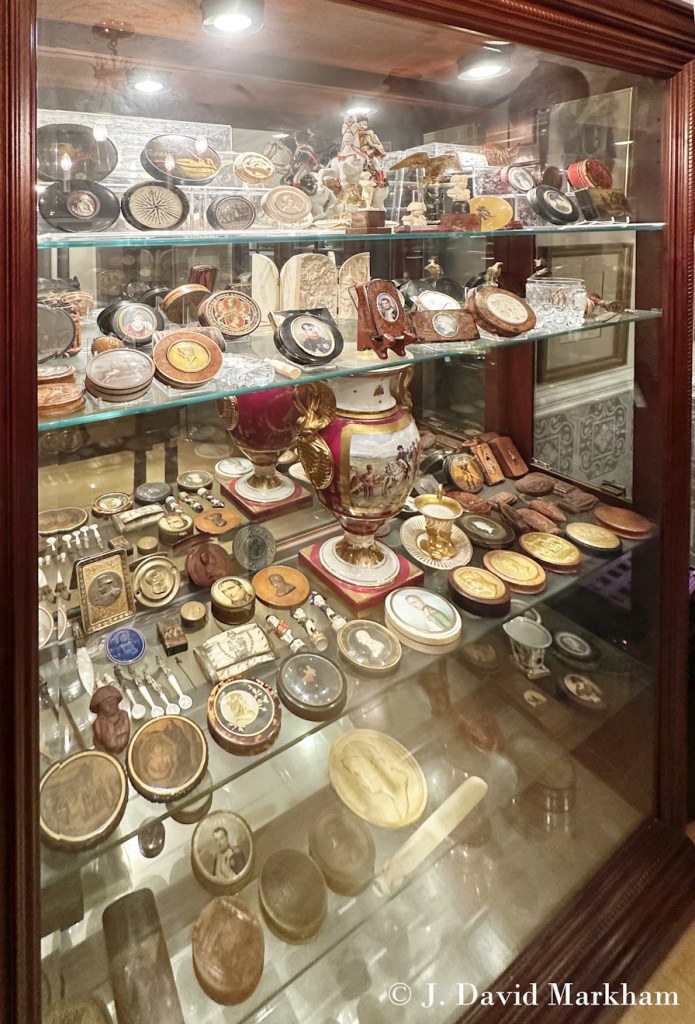
The same can be said of virtually any other period artifact that contains images. For example, I have over 300 snuffboxes in my collection. One level of interest is simply the way they are made. The simplest, and cheapest, are made of paper mâché with a transfer print showing some scene. Others are pressed wood showing a scene. Then there are those in gold, silver, ivory or other material, some with hand paintings, others with inset medallions. They all have artistic appeal and many of them have propaganda value as well (such as showing Napoleon as Caesar). The same can be said of the miniature paintings, clocks, engravings and other items in my collection.
These items can also give an idea of the range of topics that various artists considered important to people. Some simply reflect major buildings or monuments, while others show general scenes of life of the time with no political implications. And then there is my significant collection of 18th and early to mid-19th century erotic images! Many of them are in secret compartments in snuffboxes and are quite explicit. Of course, I like them purely for their historical significance!«

Another sample of J. David Markham’s private collection
– A mediados de 2020, varias estatuas de personajes históricos fueron destruidas en Estados Unidos y Europa. En Francia ha habido varias polémicas por la retirada de las estatuas de Napoleón de algunos lugares. ¿No existe el riesgo de que nuestra sociedad actual, que vive por y para el presente, deje de valorar el pasado y, influida por las corrientes ideológicas modernas, acabe siendo insensible, por ejemplo, ante el fenómeno del vandalismo en los monumentos o su retirada de espacios públicos? lugares con simples fines políticos?
«Se trata de una cuestión muy compleja y no estoy seguro de que siempre se haya tratado adecuadamente. Y ciertamente estoy de acuerdo en que no podemos «cancelar» el pasado. Quitar las estatuas de Napoleón no tiene sentido para mí, ya que es un líder histórico importante de ese país. Puede que no haya sido perfecto, pero ¿Qué líder lo fue? Y, a diferencia de otros líderes históricos como Hitler, Stalin, Pol Pot y otros, no fue acusado de crímenes contra la humanidad.
En Estados Unidos, el tema principal son las estatuas de líderes civiles y militares de los Estados Confederados durante la Guerra Civil. Una vez más, se trata de una cuestión compleja, pero creo que se pueden adoptar enfoques muy razonables. Si una estatua de algún general confederado está ubicada en un campo de batalla donde luchó o murió, y si la estatua fue colocada durante el período inmediatamente posterior a la Guerra Civil, tiene sentido dejarla allí, tal vez con una placa que brinde el contexto histórico.
Otras estatuas que se hicieron en ese período pero que se encuentran en lugares públicos donde algunos las consideran ofensivas podrían trasladarse a museos o terrenos de museos, con placas que brinden el contexto histórico adecuado, incluido el hecho de que lideraban una insurrección ilegal contra Estados Unidos.
Por otro lado, muchas de las estatuas en cuestión se hicieron mucho más tarde, durante lo que se llama el período ‘Jim Crow’ y fueron diseñadas para insultar a los estadounidenses negros y recordarles que eran ‘inferiores’. Las estatuas están ahí para glorificar a la Confederación y a sus líderes, a pesar de que sus acciones se basaron en el racismo. Estas estatuas deberían fundirse y sus restos deberían recibir un buen uso. ¡Quizás podrían usarse para hacer estatuas del Dr. Martin Luther King!«
– In mid-2020, several statues of historical figures were destroyed in the United States and Europe. In France there have been several controversies over the withdrawal of Napoleon’s statues from some places. Isn’t there a risk that our current society, which lives by and for the present, stops valuing the past and, influenced by modern ideological currents, ultimately being insensitive, for example, to the phenomenon of vandalism in monuments or their withdrawal of public places for simple political purposes?
«This is a very complex issue, and I am not sure that it has always been handled properly. And certainly I agree that we cannot ‘cancel’ the past. Removing statues of Napoleon doesn’t make sense to me as he is a major historical leader of that country. He may not have been perfect, but what leader was? And, unlike other historical leaders like Hitler, Stalin, Pol Pot and others, he was not accused of crimes against humanity.
In the United States, the main issue is statues of civilian and military leaders of the Confederate States during the Civil War. Again, it is a complex issue, but I think there are very reasonable approaches that can be taken. If a statue of some Confederate general is located on a battlefield where he fought or died, and if the statue was put up during the period immediately after the Civil War, it makes sense to leave it there, perhaps with a plaque giving historical context.
Other statues that were made in that period but are in public places where some find them offensive could be moved to museums or museum grounds, with plaques giving proper historical context including that they were leading an illegal insurrection against the United States.
On the other hand, many of the statues in question were made much later during what is called the ‘Jim Crow’ period and were designed to insult Black Americans and remind them that they were ‘inferior.’ The statues are there to glorify the Confederacy and its leaders, even though their actions were based on racism. These statues should be melted down and their remains put to some good use. Perhaps they could be used to make statues of Dr. Martin Luther King!«
– En sus múltiples viajes a diferentes partes del mundo con conexiones a la época napoleónica, ¿cree que, en general, en los países que has visitado el legado napoleónico se conserva en buenas condiciones o también ha notado la falta de interés en su mantenimiento? ¿Cuál ha sido el lugar que más le ha impresionado o evocado como historiador y aficionado a la época napoleónica al visitarlo?
«En general, creo que al menos los sitios y monumentos napoleónicos importantes se han mantenido en buenas condiciones. He visto algunos ejemplos de sitios más pequeños que se han dejado deteriorar un poco, pero casi todos los que he visitado están bien.
En cuanto a qué lugar ha despertado más interés o respuesta emocional, es muy difícil decirlo. He estado dos veces en el campo de batalla de Borodino (fui el primer académico estadounidense en dar una charla en su conferencia bianual y lo hice dos veces), y ese campo de batalla está muy bien conservado. Es impresionante imaginar los acontecimientos que allí sucedieron. Lo mismo ocurre con el campo de batalla de Waterloo.
Pero son los sitios más pequeños e íntimos los que me han provocado la mayor reacción. Ciertamente, visitar Ajaccio, Córcega, donde nació y creció Napoleón, fue increíble. Estar en la Casa Napoleón en El Cairo, Egipto, donde Napoleón se reunió con los miembros del Instituto de Egipto, es realmente sorprendente (y espero organizar una conferencia allí muy pronto). Los últimos días de Napoleón en Francia en 1815 fueron en Rochefort y la Isla de Aix , y caminar por su casa en la isla, ahora un maravilloso museo napoleónico , es increíble.
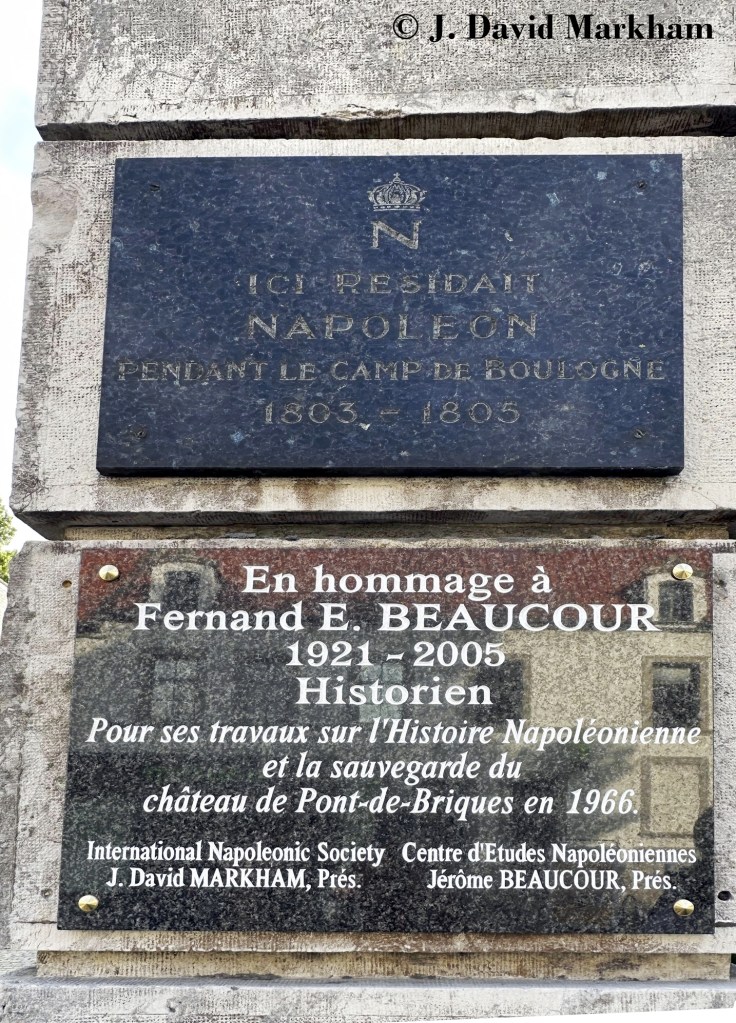
Otro buen ejemplo está cerca de Boulogne sur Mer, donde Napoleón se hospedó en el Chateau Pont-de- Briques durante partes de 1803 a 1805. Pude dar una charla en el Congreso del INS de 2023 en su comedor y luego visitar sus habitaciones privadas en el piso de arriba. . De hecho, en el Congreso honramos a mi difunto amigo, Fernand Beaucour, por su trabajo que fue fundamental para la preservación del castillo. Ahora hay una placa de granito en la puerta de entrada que reconoce sus esfuerzos, ¡y tiene el nombre de su hijo Jerome y el mío también! ¡Todo un honor!
Quizás el sitio más íntimo fue Cobh, Irlanda, una pequeña ciudad cerca de Cork. Allí se encuentra la antigua casa y tumba del Dr. James Verling, que estuvo destinado en Longwood durante un tiempo cuando Napoleón estaba exiliado allí. Lamentablemente, Napoleón nunca le permitió ser su médico, aunque sirvió a algunos miembros del personal de Napoleón. Escribí un libro sobre él que incluía una transcripción extensa de su diario y me conmovió mucho estar allí.«
– In your many trips to different parts of the world with connections to the Napoleonic era, do you think, in general, in the countries you have visited the Napoleonic legacy is preserved in good condition or have you also noticed also the lack of interest in their maintenance? What has been the place that has most impressed or evoked you as a historian and fan of the Napoleonic age when visiting it?
«In general, I think that at least the important Napoleonic sites and monuments have been kept in good condition. I have seen a few examples of some smaller sites that have been left to deteriorate a bit, but almost all that I have visited are just fine.
As to which place has evoked the most interest or emotional response, that is very difficult to say. I’ve been to the battlefield of Borodino twice (I was the first American scholar to ever give a talk at their biannual conference and did it twice), and that battlefield is very well preserved. It is awesome to imagine the events that happened there. The same is true with the battlefield of Waterloo.
But it is smaller, more intimate sites that have given me the most reaction. Certainly, visiting Ajaccio, Corsica, where Napoleon was born and raised was amazing. To stand in the Napoleon House in Cairo, Egypt, where Napoleon met with the members of the Institute of Egypt is truly amazing (and I hope to host a conference there very soon). Napoleon’s last days in France in 1815 were at Rochefort and the Ile d’Aix, and to walk through his home on the island, now a wonderful Napoleonic museum, is amazing.
Another good example is near Boulogne sur Mer where Napoleon stayed at the Chateau Pont-de-Briques for parts of 1803 to 1805. I was able to give a talk at the 2023 INS Congress in his dining room, and then visit his private rooms upstairs. Indeed, at the Congress we honored my late friend, Fernand Beaucour, for his work that was instrumental in preserving the Chateau. There is now a granite plaque on the entrance gate that recognizes his efforts, and it has his son Jerome’s name on it and my name as well! Quite an honor!
Perhaps the ultimate intimate site was in Cobh, Ireland, a small town near Cork. There is the former house and grave of Dr. James Verling, who was stationed in Longwood for a time when Napoleon was in exile there. Sadly, Napoleon would never let him serve as his doctor, though he served some of Napoleon’s staff. I wrote a book on him that included a lengthy transcription of his journal, and I was quite touched to be there.«

– ‘De todos los generales que me han precedido y que podrían sucederme, el más grande para mí es Turena’ dijo Napoleón en el exilio, citado por el Doctor O’Meara. Napoleón siempre miró a los grandes generales del pasado, como Alejandro Magno o Julio César, cuyas vidas usted también ha estudiado. ¿Ve su posible influencia, o quizás la de otros nombres ilustres, en la vida de Napoleón, o es Napoleón Bonaparte un punto de inflexión en la historia, diferente de los demás?
«Por supuesto, la respuesta es ambas. Ciertamente, Napoleón tenía un gran respeto por Turena, a quien consideraba el mayor comandante moderno, pero también se inspiró en otros grandes comandantes, como Alejandro Magno, Julio César, Aníbal, Federico el Grande, entre otros. Y ciertamente compartió varias características con algunos de ellos y tuvo experiencias similares. En mi opinión, de todos ellos probablemente era el más cercano a Julio César.
Por otro lado, también fue diferente, especialmente en su impacto final en el futuro. Era más multidimensional que los demás. Fue un gran comandante militar, sin duda, pero también un administrador sobresaliente. Además, fue un reformador que realizó cambios fundamentales en la naturaleza de la sociedad francesa, así como en gran parte del resto de Europa. Sus reformas en la economía, la educación, la libertad religiosa, la ley y otras áreas lo distinguen de quienes lo precedieron.«
– ‘Of all the generals who have preceded me, and might follow, the greatest of all to me is Turenne’ said Napoleon in exile, in as quoted by Doctor O’Meara. Napoleon always looked at the great generals of the past, such as Alexander the Great or Julius Caesar, whose lives you have also studied. You see their, or perhaps other illustrious names, possible influence in the life of Napoleon, or is Napoleon Bonaparte a turning point in history, different from the others?
«Of course, the answer is both. Napoleon certainly had a very high regard for Turenne, who he felt was the greatest modern commander, but he also modelled himself after other great commanders, such as Alexander the Great, Julius Caesar, Hannibal, Frederick the Great among others. And he certainly shared various characteristics with some of them and had similar experiences. To my mind, of all of those he was probably closest to Julius Caesar.
On the other hand, he was also different, especially in his ultimate impact on the future. He was more multidimensional than the others. He was a great military commander, to be sure, but he was also an outstanding administrator. Further, he was a reformer who made fundamental changes to the nature of French society, as well as much of the rest of Europe. His reforms in the economy, education, religious freedom, the law and other areas set him apart from those who came before him.«
– Como presidente de la Sociedad Napoleónica Internacional y presidente emérito de la Sociedad Histórica Napoleónica, ¿cree usted que existe cierto riesgo de que las generaciones más jóvenes se interesen menos por el estudio de la figura de Napoleón y su época y, en consecuencia, se interesen menos por tales organismos? ¿Cuáles cree que deberían ser los principales desafíos de estas organizaciones en el futuro inmediato?
«De hecho, estoy bastante preocupado por esta cuestión y por una cuestión relacionada. Nuestras organizaciones están fuertemente dominadas por hombres de mediana edad y mayores. Hay relativamente pocos jóvenes y mujeres. He hecho grandes esfuerzos para reclutar jóvenes y mujeres en ambas organizaciones y he tenido un éxito significativo. También he promovido la investigación y los escritos que algunas de estas personas han producido. Por ejemplo, aprobé dos novelas escritas por dos escritoras. También escribí introducciones para dos libros de un joven académico y él y yo estamos colaborando en otro libro. Y soy coautor de dos libros con otro joven académico. Pero la necesidad continúa y aliento a otras personas a hacer esfuerzos similares.«
– As president of the International Napoleonic Society and president emeritus of the Napoleonic Historical Society, do you think there is a certain risk that younger generations will be less interested in the study of the figure of Napoleon and his time and consequently less interest in such organizations? What do you think should be the main challenges for these organizations for the immediate future?
«I am indeed quite concerned about this issue and a related issue. Our organizations are heavily dominated by middle aged and older men. There are relatively few young people and women. I have made major efforts to recruit young people and women into both organizations and have had some significant success. I have also promoted the research and writing that some of these people have produced. For example, I provided endorsements to two novels written by two women writers. I have also written introductions for two books by one young scholar and he and I are collaborating on another book. And I have coauthored two books with yet another young scholar. But the need is ongoing, and I encourage other people to make similar efforts.«
* Agradecer muy especialmente a J. David Markham que nos haya atendido para la elaboración de esta entrada para «El Rincón de Byron». / Special thanks to J. David Markham for helping us prepare this entry for ««El Rincón de Byron».

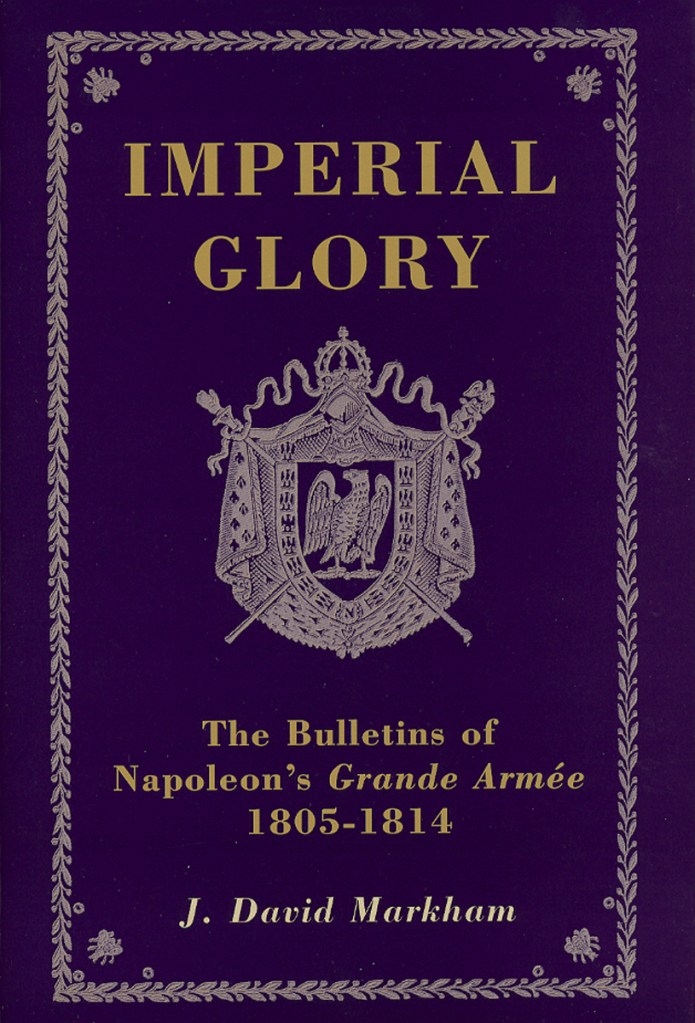
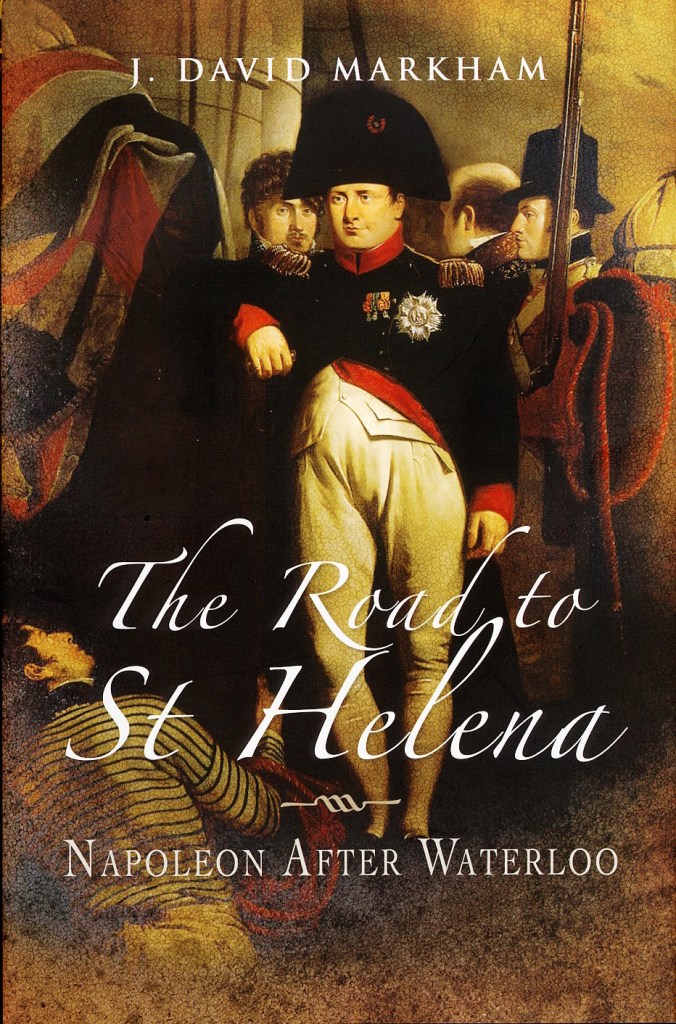
J. David Markham es un académico y escritor reconocido internacionalmente. Es presidente de la Sociedad Napoleónica Internacional y presidente emérito de la Sociedad Histórica Napoleónica. Sus libros incluyen El camino de Napoleón a la gloria: triunfos, derrotas e inmortalidad, Gloria imperial: los boletines de la Grande Armée de Napoleón, Napoleón y el Dr. Verling en Santa Elena, Napoleón para tontos y El camino a Santa Elena: Napoleón después de Waterloo. Ha hecho traducir libros al holandés, francés, ruso, español y polaco.
David ha aparecido en varios documentales de televisión, incluidos los canales Smithsonian, History, Russia Today, Learning y Discovery, ha dado conferencias en congresos y museos de todo el mundo e hizo el podcast Napoleón 101, aclamado internacionalmente. David también tiene una colección de talla mundial de objetos y artes decorativas napoleónicas que han aparecido en varias exposiciones del museo.
En 2014, David fue nombrado Chevalier de l’Ordre de les Palmes Académiques, la condecoración civil más importante de Francia, sólo superada por la Legión de Honor. La orden fue establecida originalmente por Napoleón en 1808. Ha recibido la Médaille d’or du Rayonnement Culturel (Medalla de oro a la influencia cultural), la Medalla al Mérito Otto von Hapsburg, la Medalla Marengo de Italia, la Legión al Mérito del INS y numerosos medallas y premios adicionales.
J. David Markham is an internationally recognized scholar and writer. He is President of the International Napoleonic Society and President Emeritus of the Napoleonic Historical Society. His books include Napoleon’s Road to Glory: Triumphs, Defeats and Immortality, Imperial Glory: The Bulletins of Napoleon’s Grande Armée, Napoleon and Dr. Verling on St. Helena, Napoleon for Dummies and The Road to St Helena: Napoleon after Waterloo. He has had books translated into Dutch, French, Russian, Spanish and Polish.
David has appeared in several television documentaries, including the Smithsonian, History, Russia Today, Learning and Discovery channels, lectured at conferences and museums around the world, and did the internationally acclaimed Napoleon 101 podcast. David also has a world-class collection of Napoleonic decorative arts and artifacts that has been featured in several museum exhibitions.
In 2014 David was appointed a Knight in the Order of the French Academic Palms, France’s highest civilian-only award, second only to the Legion of Honor. The order was originally established by Napoleon in 1808. He has been awarded the Médaille d’or du Rayonnement Culturel (Gold Medal for Cultural Influence), the Otto von Hapsburg Merit Medal, The Marengo Medal from Italy, the INS Legion of Merit, and numerous additional medals and awards.
Imágenes:
a – Imágenes cortesía de J. David Markham.
b – http://static.skynetblogs.be/media/113073/1975226872.JPG
 elrincondebyron.com
