

Tiempo de lectura: 22 minutos
En este despuntar del nuevo año tenemos la satisfacción de contar en nuestra entrada semanal con la presencia de Luis Sorando Muzás, una referencia a nivel estatal en el mundo de la vexilología y la uniformología, presidente de la Asociación Napoleónica Española y del grupo de recreación de Los Voluntarios de Aragón, entre otros cargos, y que ha tenido la gentileza de dedicarnos parte de su limitado tiempo para contestarnos a una serie de cuestiones sobre la recreación napoleónica en España, el uso de las banderas en el ejército español de la época, el ejército español de José I, la Guerra de Independencia en el frente de Aragón y la controvertida figura de Palafox, entre otras, y que esperamos sea del agrado e interés para los aficionados a dicha época y al campo de la recreación napoleónica en nuestro país.
At the beginning of the new year we are pleased to have in our weekly entry the presence of Luis Sorando Muzás, a national reference in the world of vexillology and uniformology, president of the Spanish Napoleonic Association and of the reenactment group of the Volunteers of Aragon, among other positions, he has been kind enough to give us some of his limited time to answer a series of questions about Napoleonic reenactment in Spain, the use of flags in the Spanish army of the time, the Spanish army of Joseph I, the Peninsular War on the Aragon front and the controversial figure of Palafox, among others, which we hope will be of interest to fans of this period and the field of Napoleonic reenactment in our country.
ENTREVISTA / INTERVIEW
● El Rincón de Byron: Ocupas el cargo de presidente de la Asociación Napoleónica Española, ¿crees que ha habido una evolución estos últimos años, con respecto a tus primeros años en este mundo de la recreación napoleónica?
Luis Sorando Muzás: «Desde luego que sí, uno de nuestros principales empeños ha sido desde hace años el de diferenciar muy claramente una fiesta histórica de una recreación, conceptos que en muchos casos confunden, no solo el público sino incluso algunos grupos.
Ambas opciones son dignas y lícitas, pero si en las fiestas no se pretende ser demasiado rigurosos y lo que importa es dar animación a un mercadillo o similar, con fines normalmente económicos, en la recreación el rigor y la faceta educativa son fundamentales, y como suelo decir: para nosotros el turismo y la economía no son nuestro fin, sino una consecuencia.
Y es precisamente a esto, a la recreación o historia viva, a lo que nos dedicamos desde la ANE, a orientar y a exigir ese nivel de rigor y seriedad que consideramos indispensable.»

● El Rincón de Byron: You hold the position of president of the Spanish Napoleonic Association. Do you think there has been an evolution in recent years compared to your first years in the world of Napoleonic reenactment?
Luis Sorando Muzás: «Yes, of course, one of our main efforts over the years has been to differentiate very clearly between a historical festival and a reenactment, concepts that in many cases are confused, not only by the public but also by some groups.
Both options are worthy and lawful, but if in the festivals we do not try to be too rigorous and what matters is to give animation to a street market or similar, normally for economic purposes, in the reenactment the rigour and the educational aspect are fundamental, and as I usually say: for us tourism and the economy are not our aim, but a consequence.
And it is precisely to this, to recreation or living history, that we at the ANE dedicate ourselves, to guide and to demand that level of rigour and seriousness that we consider indispensable».
● (E.R.B.): En vuestra experiencia como recreadores, la mujer, por lo general, ¿participa de vuestras vivencias en el campo de batalla, en el campamento, o prefiere ver la reconstitución “desde la barrera”? ¿Crees que su presencia se ha visto incrementada durante estos últimos años?
(L.S.M.): «Dado que hasta fechas muy recientes nuestra actividad estaba enfocada casi totalmente hacia el mundo militar, eran más bien escasas las mujeres participantes, limitándose inicialmente a la labor de cantineras, y estas, por cuestiones de credibilidad histórica no podían ser muy numerosas, pero desde hace ya unos años van siendo bastante más numerosas las que se han integrado en el papel de soldados, aceptando que para ello deben camuflar su apariencia femenina (en 1800 no había soldadas) usando pantalones, pelo corto o recogido y evitando maquillajes.
A esto podemos añadir el que últimamente se está incorporando a nuestras actividades el sector civil, con lo cual se amplía en buena medida la posibilidad de participar en campamentos, museos, charlas e incluso bailes de época.»
● (E.R.B.): In your experience as reenactors, do women generally take part in your experiences on the battlefield, in the camp, or do they prefer to watch the reenactment «from the sidelines»? Do you think that their presence has increased in recent years?
(L.S.M.): «Given that until very recently our activity was almost entirely focused on the military world, there were very few women participants, initially limited to the role of barmaids, and these, for reasons of historical credibility, could not be very numerous, but for some years now there have been considerably more women who have taken on the role of soldiers, accepting that to do so they must camouflage their feminine appearance (in 1800 there were no female soldiers) by wearing trousers, short or tied back hair and avoiding make-up.
To this we can add the fact that the civilian sector has recently been joining our activities, which greatly expands the possibility of participating in camps, museums, talks and even period dances».
● (E.R.B.): Si yo quisiera comenzar en el mundo de la recreación napoleónica, ¿qué pasos tendría que seguir o qué consejos podrías darme?
«En primer lugar, e insistiendo en lo ya dicho, deberías saber el que quieres. Si solo quieres disfrazarte, viajar y divertirte, apúntate a un grupo de animación, pero si lo que quieres es vivir la historia y disfrutar divulgándola, llámanos y desinteresadamente te ayudaremos.
Te preguntaremos de qué zona geográfica eres y te pondremos en contacto con los grupos ya existentes en la misma (actualmente la ANE reúne a 35 grupos) por si quieres integrarte en uno de ellos, y si no fuese así y prefirieses crear un nuevo grupo te preguntaríamos si has pensado en alguna unidad concreta y si es así te recomendaríamos que en primer lugar reúnas toda la información posible sobre la misma, a lo cual intentaríamos ayudarte, y una vez reunida comiences a confeccionar tu uniforme y equipo.
Uno de los principales problemas es el económico, pero no se trata de correr, sino de hacerlo bien, con los materiales y patrones correctos. Un uniforme muy costoso, pero incorrecto, es peor que uno sencillo o incompleto pero real.
Hay que evitar relojes de pulsera, gafas modernas, botellas de plástico, y cualquier objeto o material que no existiese en la época. También es importante el armamento, no solo por el papeleo que actualmente conlleva (licencia, guía, permisos, etc…), sino porque debe ser el usado en la época, es decir, las armas de fuego de avancarga y llave de sílex, y nunca de pistón o retrocarga.
Es necesario asistir a sesiones de instrucción para presentar un aspecto uniforme tanto en el vestuario como en los movimientos. Estudia y lee sobre esta época, pues para poder enseñar hay que saber y para ello tus compañeros también pueden ayudarte. Igualmente, hay que asumir el rol que elijas, y como tal respetar los tratamientos y situaciones que esto conlleva.
En muchas ocasiones los gastos: pólvora, comida, cama y gasolina, están subvencionados, pero desde luego si lo que persigues es ganar dinero te has equivocado de hobby, pues aquí lo único que se gana son satisfacciones y conocimientos.»

● (E.R.B.): If I wanted to start in the world of Napoleonic reenactment, what steps would I have to follow or what advice could you give me?
(L.S.M.): «First of all, and insisting on what has already been said, you should know what you want. If you just want to dress up, travel and have fun, join an animation group, but if what you want is to live history and enjoy spreading it, call us and we will selflessly help you.
We will ask you what geographical area you are from and we will put you in contact with the existing groups in the same area (currently the ANE has 35 groups) in case you want to join one of them, and if not and you prefer to create a new group we will ask you if you have thought of a specific unit and if so we would recommend that you first gather as much information as possible about it, which we will try to help you with, and once you have gathered all the information you need to start making your uniform and equipment.
One of the main problems is the economic one, but it’s not about running, it’s about getting it right, with the right materials and patterns. An expensive but incorrect uniform is worse than a simple or incomplete but real uniform.
Avoid wristwatches, modern glasses, plastic bottles, and any object or material that did not exist at the time. Weapons are also important, not only because of the paperwork involved (licence, guide, permits, etc…), but also because they should be those used at the time, i.e. muzzle-loading firearms and flintlocks, and never piston or reloading firearms.
It is necessary to attend training sessions in order to present a uniform appearance both in costume and movement. Study and read up on this era, because to be able to teach you need to know, and your colleagues can also help you. Likewise, you must assume the role you choose, and as such respect the treatments and situations that this entails.
In many cases the expenses: gunpowder, food, bed and gasoil, are subsidised, but of course if what you are looking for is to earn money you have got the wrong hobby, because here the only thing you gain is satisfaction and knowledge».
«Es a la recreación o historia viva, a lo que nos dedicamos desde la ANE, a orientar y a exigir ese nivel de rigor y seriedad que consideramos indispensable.»
«It is to reenactment or living history that we at the ANE dedicate ourselves, to guide and to demand that level of rigour and seriousness that we consider indispensable.»
● (E.R.B.): En tu bibliografía tienes varios títulos sobre la Guerra de Independencia en Aragón. ¿Hay “otra” Guerra de Independencia que se produce en tierras aragonesas paralela a la de los famosos Sitios de 1808 y 1809, desconocida para el gran público? ¿El colaboracionismo o la resistencia ante el invasor serían similares al del resto de España, o piensas que en Aragón tuvieron algún rasgo distintivo?
(L.S.M.): «Es cierto que los Sitios de Zaragoza son uno de los hechos mas conocidos de esta guerra, hasta el punto de hacer olvidar injustamente lo ocurrido simultáneamente en el resto de Aragón, y no hay que olvidar que en febrero de 1809 estos ya habían concluido y que la guerra se prolongó hasta 1814.
Fue tal la intensidad de la defensa que al cesar esta, los recursos del resto de la región habían quedado tan mermados que fue fácilmente ocupada, viéndose obligados los escasos restos de nuestras fuerzas a refugiarse en las regiones vecinas, y tras fracasar en junio de 1809 en la batalla de María el único intento serio de reconquistar Zaragoza con un ejército mixto valenciano-aragonés, la región pasó a ser conocida como “la pequeña Francia”, pues bajo el mando de Suchet, reconocido por Napoleón como el único mariscal honrado de cuantos tuvo en España, la actividad militar en la región fue bastante escasa, limitándose a incursiones esporádicas de las guerrillas de Villacampa, el Empecinado, o Espoz y Mina desde las regiones vecinas, y siempre con el fin de distraer a las tropas imperiales de sus nuevos objetivos: los sitios de Lérida, Mequinenza, Tortosa, Tarragona y Valencia.
En tal ambiente no fueron extrañas las acomodaciones o afrancesamientos, tanto por convicción como por mera supervivencia, pues hasta bien entrado 1813 y como consecuencia de sus derrotas en otras regiones (Arapiles y Vitoria) no emprendieron los franceses su retirada, que culminó, semanas después de firmada la paz, con la retirada de la guarnición de Benasque.»
● (E.R.B.): In your bibliography you have several titles on the Peninsular War in Aragon. Is there «another» Peninsular War that took place in the Aragonese lands, parallel to the famous sieges of 1808 and 1809, unknown to the general public? Would the collaborationism or resistance to the invader have been similar to that in the rest of Spain, or do you think that in Aragon it had a specific character?
(L.S.M.): «It is true that the Sieges of Zaragoza are one of the most well-known facts of this war, to the point of unjustly neglecting what happened simultaneously in the rest of Aragon, and it should not be forgotten that in February 1809 these were already over and that the war lasted until 1814.
«It is true that the Sieges of Saragossa are one of the best known events of this war, to the point of unjustly forgetting what happened simultaneously in the rest of Aragon, and it should not be forgotten that in February 1809 they had already ended and that the war lasted until 1814.
Such was the intensity of the defence that by the end of the war, the resources of the rest of the region had been so depleted that it was easily occupied, forcing the few remnants of our forces to take refuge in neighbouring regions, and after the only serious attempt to reconquer Saragossa with a mixed Valencian-Aragonese army failed in June 1809 at the Battle of Maria, the region became known as «little France», as under the command of Suchet, recognised by Napoleon as the only honest marshal he had in Spain, military activity in the region was fairly scarce, limited to sporadic incursions by the guerrillas of Villacampa, El Empecinado and Espoz y Mina from neighbouring regions, and always with the aim of distracting the imperial troops from their new objectives: the sieges of Lérida, Mequinenza, Tortosa, Tarragona and Valencia.
In such an environment, it was not unusual for people to accommodate or become «afrancesados», both out of conviction and mere survival, for it was not until well into 1813 and as a result of their defeats in other regions (Arapiles and Vitoria) that the French began their retreat, which culminated, weeks after the peace was signed, with the withdrawal of the garrison of Benasque».
● (E.R.B.): El papel de los generales españoles de los ejércitos de la época salvo honrosas excepciones, no dejó de ser bastante discreto, cuando no claramente deficiente. ¿Crees que la historia ha sido justa con ellos? ¿Podrían haber hecho más de lo que hicieron con el material humano y bélico de que disponían? ¿El papel de las Juntas en general, podríamos considerarlo un elemento más negativo que positivo en el comportamiento militar de los generales españoles?
(L.S.M.): «En mayo de 1808 no existió una verdadera cabeza del levantamiento, pues los reyes estaban presos y el gobierno controlado por los franceses, organizándose por ello la resistencia en una larga serie de Juntas de Defensa, sin experiencia y bienintencionadas pero carentes de una estrategia conjunta, lo que dio lugar a que los generales de cada zona se convirtieran en ocasiones en pequeños dictadores ídolos de masas, y cuando en el verano se creó la Junta Central resultó difícil el que estos aceptasen someterse a la disciplina implantada, y así por ejemplo en vísperas de Tudela, Castaños no aceptaba el mando de Palafox por ser el vencedor de Bailén y más veterano, mientras que a la inversa Palafox no aceptaba el mando de Castaños por ser el héroe de Zaragoza y más joven y valiente que el, y ante estas situaciones… los franceses lo tuvieron más fácil, ya lo dice el dicho “divide y vencerás”. Y si a esto añadimos el que la gran mayoría de nuestras fuerzas eran de nueva leva, mal armadas y sin experiencia, llegamos a la conclusión que nuestra victoria final fue fruto mas de nuestra tenacidad que de nuestra estrategia, además claro está que de la ayuda aliada.»
● (E.R.B.): The role of the Spanish generals in the armies of the time, with honourable exceptions, was not inconspicuous, if not clearly deficient. Do you think history has been fair to them? Could they have done more than they did with the human and war material at their disposal? Could we consider the role of the Juntas in general as a negative rather than a positive element in the military behaviour of the Spanish generals?
(L.S.M. ): «In May 1808 there was no real head of the uprising, as the kings were imprisoned and the government controlled by the French, the resistance therefore being organised in a long series of Juntas de Defensa, inexperienced and well-intentioned but lacking a joint strategy, which resulted in the generals in each zone sometimes becoming little idol dictators of the masses, And when the Central Junta was created in the summer, it was difficult for them to accept the discipline that had been established, and so, for example, on the eve of Tudela, Castaños did not accept Palafox’s command because he was the victor of Bailén and more veteran, while conversely Palafox did not accept Castaños’ command because he was the hero of Zaragoza and younger and braver than he was, and in these situations? The French had it easier, as the saying goes «divide and rule». And if we add to this the fact that the great majority of our forces were newly raised, poorly armed and inexperienced, we can conclude that our final victory was more the result of our tenacity than our strategy, as well as, of course, the help of the Allies».
● (E.R.B.): La figura de José de Palafox, ha sido ampliamente tratada y debatida. Más allá de las intrigas en el poder, su gestión militar de la guerra en los Sitios… En estos últimos años, ¿hemos pasado de la visión romántica de la resistencia a ultranza unida al personaje, a la fría visión -cuestionable o no- de su conducta militar y personal? ¿Cuál es tu opinión del personaje?
(L.S.M): «Palafox era militar, pero de la Guardia de Corps, es decir culto y experto en intrigas palaciegas pero carente de experiencia militar, y así en los primeros combates quien realmente dirigió a las tropas fue su hermano, el Marqués de Lazán, mientras que él adoptaba un papel mas organizativo, convocando Cortes, redactando proclamas y animando al levantamiento en las regiones vecinas, y cuando tomó alguna medida militar se equivocó, tanto alistando a todos los hombres en compañías sueltas aunque estuviesen armados de simples lanzas, en vez de seleccionar y hacer un número menor de unidades pero mas fuertes y organizadas, como en su empeño de concentrar todas sus fuerzas dentro de la ciudad, privándola así de poder llevar a cabo acciones de importancia en la retaguardia.
Además su huida del 15 de junio, cuando la ciudad se hallaba en el mayor peligro, así como al inicio de la batalla de Tudela cuando abandonó a su ejército retirándose a Zaragoza, no dicen mucho de él, lo mismo que su carta al Emperador desde su prisión de Vincennes pidiendo que suavizase su situación: «Pues yo no quería… me vi forzado para evitar males mayores.. estoy orgulloso de haber podido resistir al mejor ejército del mundo, etc.…» nos hacen pensar que el mérito de la defensa no debió ser tan solo mérito suyo, sino de otros muchos personajes a los que posteriormente intentó solapar, siendo por ello acusado entonces de ingrato y celoso.
Pero el mito ya estaba creado, hasta el punto de que cuando en 1814 intentó que Fernando VII jurase la constitución, este no se atrevió a castigarle, como si hizo con otros como el Empecinado o Mina, limitándose a relegarle a labores de segundo plano, no volviendo, salvo en una fugaz y frustrada campaña en 1815, a mandar en campaña ejército alguno.»
● (E.R.B.): The figure of José de Palafox has been widely discussed and debated. Beyond the intrigues in power, his military management of the war in the Sieges… In recent years, have we moved on from the romantic vision of the extreme resistance linked to the character, to the cold vision – questionable or not – of his military and personal conduct? What is your opinion of the character?
(L.S.M): «Palafox was a military man, but of the Guardia de Corps, that is to say cultured and an expert in palace intrigues but lacking in military experience, and so in the first battles the one who really led the troops was his brother, the Marquis of Lazán, while he adopted a more organisational role, convening Cortes, writing proclamations and encouraging the uprising in the neighbouring regions, and when he did take some military action he erred, both in enlisting all the men in single companies even if they were armed with simple spears, instead of selecting and making a smaller number of units but stronger and more organised, and in his determination to concentrate all his forces inside the city, thus depriving it of being able to carry out important actions in the rear.
Moreover, his flight on 15 June, when the city was in the greatest danger, as well as at the beginning of the battle of Tudela when he abandoned his army and retreated to Saragossa, say little about him, as does his letter to the Emperor from his prison in Vincennes asking him to ease his situation: «Well, I did not want to… I was forced to avoid greater evils. I am proud to have been able to resist the best army in the world, etc. ….» leads us to think that the merit of the defence must not have been his alone, but that of many other people whom he later tried to overlap, and for this he was accused of being ungrateful and jealous.
But the myth had already been created, to the point that when in 1814 he tried to make Ferdinand VII swear the constitution, the latter did not dare punish him, as he did with others such as the Empecinado or Mina, limiting himself to relegating him to second place, and never again, except in a fleeting and frustrated campaign in 1815, commanding any army in the field».

● (E.R.B.): En tu libro “El Ejército español de José Napoleón” tratas de las unidades españolas que formaron el ejército de José I en España. Estos soldados del ejército de José I, compatriotas en definitiva, al acabar la guerra, ¿tuvieron que optar también por el destierro o su destino fue más benévolo? En el primer caso, ¿fueron ellos los más olvidados de los olvidados, en un período que podría explicarse como el primer exilio masivo por motivos políticos de la historia de España?
(L.S.M): «Según sus grados e implicación recibieron un trato muy distinto, y así las milicias cívicas no sufrieron persecución por considerárseles forzadas, mientras que los oficiales y buena parte de la tropa regular si que se vieron forzados a refugiarse en Francia huyendo de la represión, regresando muchos de ellos durante el Trienio Liberal.»
● (E.R.B.): In your book «The Spanish Army of Joseph Napoleon» you deal with the Spanish units that formed Joseph I’s army in Spain. Did these soldiers of Joseph I’s army, compatriots after the war, also have to opt for exile or was their fate more benevolent? In the first case, were they the most forgotten of the forgotten, in a period that could be explained as the first mass exile for political reasons in Spanish history?
(L.S.M): «Depending on their ranks and involvement, they were treated very differently, and so the civic militias did not suffer persecution because they were considered forced, while the officers and a good part of the regular troops were forced to take refuge in France to escape repression, many of them returning during the Liberal Triennium».
«La caballería de línea tenía un estandarte cuadrado por escuadrón, casi siempre rojo, con las armas reales en una faz y las del regimiento en la otra. Los dragones tenían guiones carmesís terminados en dos puntas, y los cazadores y húsares lo mismo, pero estos solo lo usaban para las juras.»
«The line cavalry had a square banner per squadron, nearly always red, with the royal arms on one side and the regimental arms on the other. The dragoons had crimson scripts ending in two points, and the huntsmen and hussars the same, but these were only used for oaths.»
● (E.R.B.): Un regimiento napoleónico portaba consigo una serie de banderas, banderines o enseñas, para identificar al propio regimiento, a sus diferentes batallones o compañías y para que sirvieran de orientación o punto de reunión. ¿Puedes explicarnos muy brevemente qué número y tipo de banderas o enseñas eran las que podía tener un regimiento español de infantería en 1808-1813? ¿En el caso de las otras armas, caballería y artillería, poseían banderas o estandartes similares?
(L.S.M): «Hablando de la infantería, desde 1802 cada batallón tenía una única bandera blanca, de las llamadas Coronelas en el caso de ser una unidad constituida por un único bon. (provinciales y ligeros), o en el primer batallón en caso de tener varios (línea), es decir con las armas reales en su centro y el escudo regimental en las cuatro esquinas. En los de línea, que tenían 3 bones., el 2º y el 3º usaban banderas sencillas, es decir con aspa roja de Borgoña y escudo del regimiento en sus extremos. La Guardia Real tenía por privilegio una bandera por compañía, pero al ir a campaña las reducía a solo 1 por bon. todas las sencillas con las armas reales sobre el aspa y entre leones, blancas las de guardias españolas y azules las walonas, y en cuanto a su coronela la de walonas era como sus sencillas pero blanca y la de españolas morada sembrada de lises y con un castillo en su centro.
La caballería de línea tenía un estandarte cuadrado por escuadrón, casi siempre rojo, con las armas reales en una faz y las del regimiento en la otra. Los dragones tenían guiones carmesís terminados en dos puntas, y los cazadores y húsares lo mismo, pero estos solo lo usaban para las juras.
La artillería, coronela blanca con armas reales orladas de leones y trofeos, y las sencillas azules con aspas y escudetes angulares con pequeñas armas reales entre cañones.»

● (E.R.B.): A Napoleonic regiment carried a series of flags, pennants or ensigns, to identify the regiment itself, its different battalions or companies and to serve as an orientation or rallying point. Can you explain very briefly what number and type of flags or ensigns a Spanish infantry regiment could have in 1808-1813? In the case of the other arms, cavalry and artillery, did they have similar flags or standards?
(L.S.M): «Speaking of the infantry, from 1802 each battalion had a single white flag, of the so-called Coronelas in the case of a unit made up of a single bon (provincial and light), or in the first battalion in the case of several (line), i.e. with the royal arms in the centre and the regimental coat of arms in the four corners. In the line battalions, which had 3 bones, the 2nd and 3rd used simple flags, i.e. with the red cross of Burgundy and the regimental coat of arms at the ends. The Royal Guard had by privilege one flag per company, but when they went to campaign they reduced them to only 1 per bon. all the simple ones with the royal arms on the pole and between lions, white the Spanish Guards and blue the Walloons, and as for their coronet the Walloons were like their simple ones but white and the Spanish ones purple with lilies and with a castle in the centre.
The line cavalry had a square banner per squadron, almost always red, with the royal arms on one side and those of the regiment on the other. The dragoons had crimson scripts ending in two points, and the huntsmen and hussars the same, but these were only used for oaths.
The artillery, white coronet with royal arms bordered with lions and trophies, and the simple blue ones with blades and angular escutcheons with small royal arms between cannons.»
● (E.R.B.): Aunque existían reglamentos sobre la uniformidad en los ejércitos, su aplicación definitiva no siempre era posible a corto o medio plazo. El ejército español, dada la marcha de la guerra, ¿también vivió por fuerza esos “inconvenientes” en sus uniformes y equipamiento? ¿La ayuda militar inglesa fue un factor importante en la uniformidad del ejército español de 1808-1813?
(L.S.M): «Las distintas Juntas no cesaron de construir uniformes, aunque nunca lograron la perfecta uniformidad, pero si una silueta característica: parda en un inicio y posteriormente azul.
Desde luego, fue fundamental el envió de cientos de miles (literal) de uniformes, tanto ya montados como en simples piezas de paño, que en la mayoría de los casos no fueron ningún obsequio.
En 1813 decía Wellington: el año pasado dimos 100.000 uniformes, y si no hay tantos soldados ¿Cómo es posible que muchos estén aún sin uniformar y que pidan otros 100.000?. Desconozco la respuesta, pero puedo añadir que durante las Guerras Carlistas varias unidades se equiparon con uniformes ingleses aún existentes en los almacenes de Pasages.
Añadiré que contra lo que suele pensarse no todo eran casacas rojas, de hecho solo fueron de ese color una primera remesa desembarcada en Galicia en 1808, y lo que encontramos son uniformes blancos, grises, y en su gran mayoría azules con divisa roja o verde, añadiéndosele aquí para distinguir las distintas unidades pequeños detalles como ojales en el cuello, estrellas, triángulos o similares.»
● (E.R.B.): Although there were regulations on uniformity in armies, their definitive application was not always possible in the short or medium term. Did the Spanish army, given the course of the war, also necessarily experience these «drawbacks» in its uniforms and equipment? Was British military aid an important factor in the uniformity of the Spanish army in 1808-1813?
(L.S.M): «The different Juntas never ceased to construct uniforms, although they never achieved perfect uniformity, but they did achieve a characteristic silhouette: brown at first and later blue.
Of course, it was essential to send hundreds of thousands (literally) of uniforms, both already assembled and in simple pieces of cloth, which in most cases were not gifts at all.
In 1813 Wellington said: last year we gave 100,000 uniforms, and if there are not so many soldiers, how is it possible that many are still without uniforms and are asking for another 100,000? I do not know the answer, but I can add that during the Carlist Wars several units were equipped with English uniforms still in the stores at Pasages.
I would add that contrary to what is usually thought, not all were red coats, in fact only the first consignment landed in Galicia in 1808 were of that colour, and what we find are white, grey and mostly blue uniforms with red or green badges, with small details added here to distinguish the different units, such as buttonholes on the collar, stars, triangles or similar.«
● (E.R.B.): Como última pregunta, y como curiosidad, en el momento que hemos de morir en el campo de batalla, ¿es difícil morir en una recreación napoleónica, o mejor dicho es difícil morir bien en el campo de batalla?
(L.S.M): Es un problema, nadie quiere morir por no estropear su uniforme o perderse el final de la acción, y por ello los jefes de grupo deben imponerse a fin de que los combates resulten creíbles. Y una vez aceptada la muerte hay verdaderos artistas, y algunos pocos a los que les encanta morir y resucitar disimuladamente…
● (E.R.B.): As a last question, and as a curiosity, when we have to die on the battlefield, is it difficult to die in a Napoleonic reenactment, or rather is it difficult to die well on the battlefield?
(L.S.M.): It is a problem, nobody wants to die because they don’t want to spoil their uniform or miss the end of the action, and that’s why the group leaders must impose themselves in order to make the combat credible. And once death is accepted, there are real artists, and a few who love to die and resurrect in disguise…
* Agradecer muy especialmente a Luis Sorando Muzás que nos haya atendido para la elaboración de esta entrada para «El Rincón de Byron». / Special thanks to Luis Sorando Muzás for having assisted us in the preparation of this entry for «El Rincón de Byron».

Luis Sorando Muzás (Zaragoza, 1961), apasionado desde su infancia por los uniformes y las banderas, es presidente de la Asociación Napoleónica Española, asesor vexilológico del Museo del Ejército, profesor en los cursos de Vexilología del IHCM, miembro del Consejo Asesor de Heráldica y Simbología de la Diputación General de Aragón, socio fundador de la Asociación los Sitios, presidente del grupo de recreación histórica Voluntarios de Aragón, miembro del consejo editorial de Desperta Ferro Historia Moderna y asesor del pintor Augusto Ferrer-Dalmau.
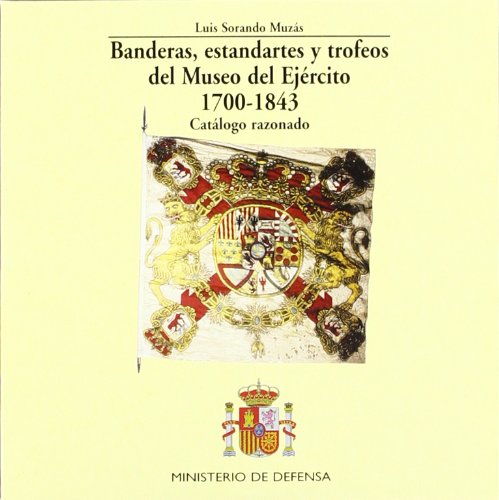
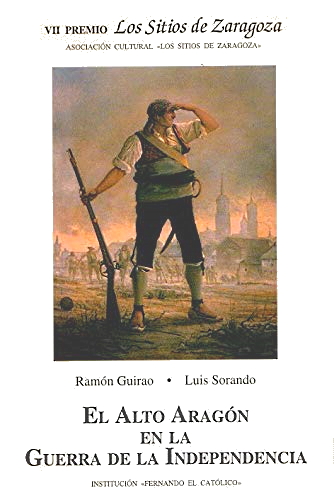
También, ha escrito más de 150 artículos y trabajos sobre estas materias en diversas publicaciones tanto de nuestro país (Historia y Vida, Ejército, Banderas, Researching Dragona, Emblemata, Desperta Ferro Historia Moderna) como del extranjero (Soldats Napoléoniens). Entre sus obras, destacan «Banderas, estandartes y trofeos del Museo del Ejército 1700-1843. Catálogo razonado«, «El Alto Aragón en la Guerra de la Independencia» y «El Ejército español de José Napoleón (1808-1813)».
Es premio Los Sitios de Zaragoza (1986 y 1993), Dragón de Honor del Regimiento Numancia y tiene concedidas la cruz al Mérito Militar con distintivo blanco, la del Mérito de la Guardia Civil, así como las órdenes Pro Patria y Pro Memoria, del Gobierno polaco. [1]
Fuentes:
1 – https://www.despertaferro-ediciones.com/autor/luis-sorando-muzas/
Imágenes:
a – http://www.voluntariosdearagon.com/wp-content/uploads/2013/09/Charla-Ayuntamiento-Mall%C3%A9n_576x768.jpg
b – https://images-na.ssl-images-amazon.com/images/I/41TwKDTfDCL._SX332_BO1,204,203,
200_.jpg
c – https://images-na.ssl-images-amazon.com/images/I/51KPH9tk4+L.jpg
d – https://i.ytimg.com/vi/wWmBAr1Dpnw/maxresdefault.jpg
 elrincondebyron.com